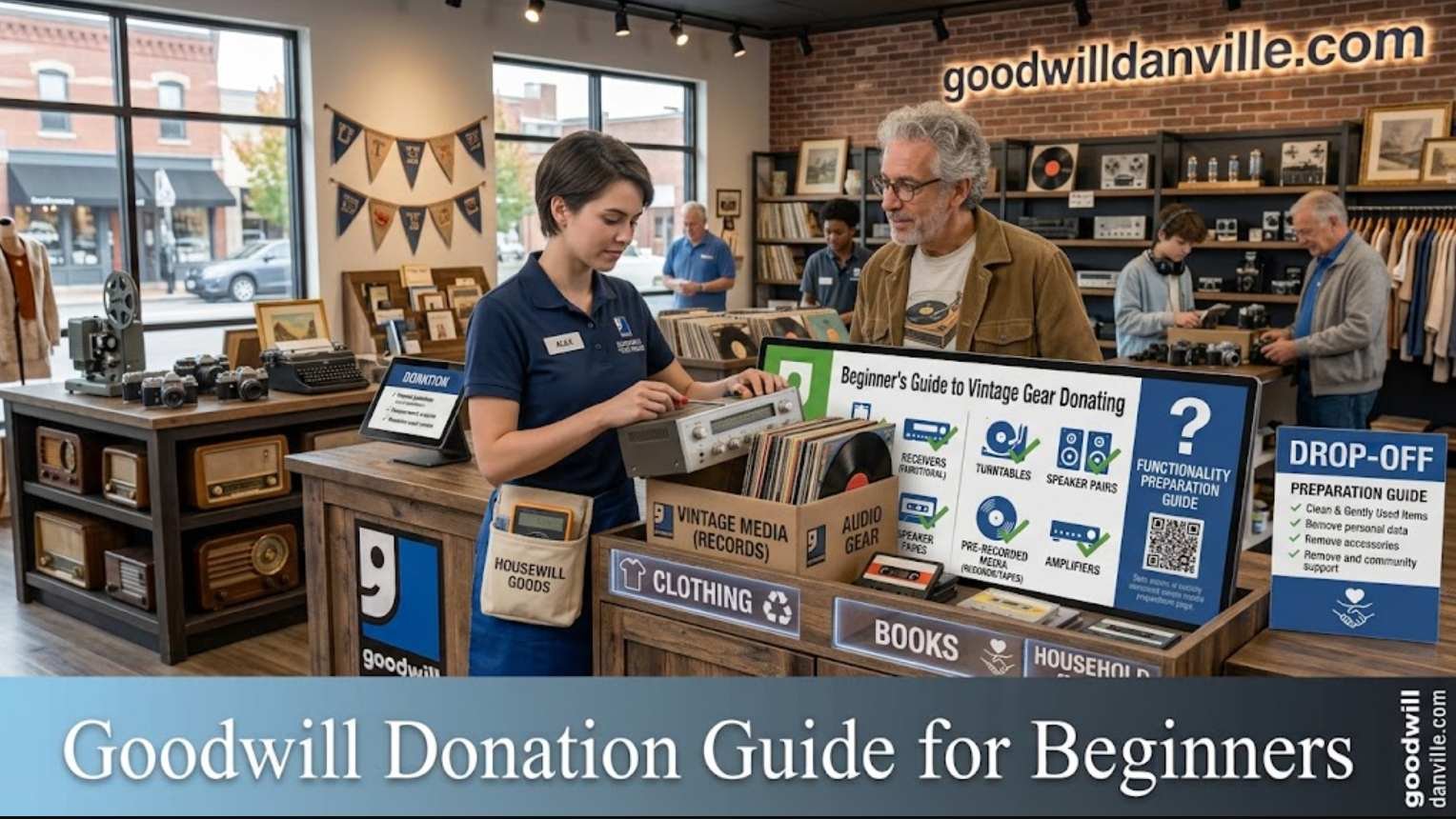
Donating unwanted items can be a simple way to clear out your home while giving useful belongings a second life. If you’re new to the process, this Goodwill Donation Guide for Beginners explains what you can donate, what to leave at home, how to prepare your items, and what to expect when you arrive at a donation center.
Goodwill accepts many everyday items, but donation rules and hours can vary by location. A little preparation before leaving home can save time and help ensure your donations are useful and acceptable.
What Can You Donate to Goodwill?
The easiest way to decide what to donate is to look for items that are clean, usable, and in reasonably good condition. Goodwill typically accepts a wide variety of personal and household items.
Clothing, Shoes, and Accessories
Gently used clothing is one of the most common types of Goodwill donations. You can generally donate:
- Shirts, pants, dresses, and jackets
- Children’s and baby clothing
- Shoes and boots
- Purses and bags
- Jewelry and accessories
Before packing clothing, check every pocket. You don’t want to accidentally donate cash, keys, documents, or other personal belongings.
Books, Media, and Electronics
Books, CDs, DVDs, and some electronics may also be accepted. Depending on the local Goodwill organization, items such as laptops, computer equipment, and flat-screen televisions may be eligible for donation.
Because electronics policies can differ between locations, it’s smart to check with your local center before loading heavier equipment into your vehicle.
Household and Kitchen Items
Many small household items can be useful donations, including:
- Pots and pans
- Small kitchen appliances
- Dishes and cookware
- Linens and towels
- Lamps
- Home decorations
- Small household tools
If you’re cleaning out a kitchen or spare room, grouping similar items together can make packing and unloading much easier.
Toys, Games, and Sporting Goods
Goodwill may also accept usable toys, board games, sporting equipment, hand tools, and similar recreational items. Make sure toys and games are reasonably complete and don’t pose an obvious safety risk.
What Should You Not Donate?
Not everything that you no longer need belongs in a donation box. Goodwill locations have restrictions designed to protect employees, shoppers, and donors.
Avoid donating items that are:
- Wet, moldy, heavily stained, or badly damaged
- Broken beyond practical repair
- Dangerous or potentially hazardous
- Subject to safety recalls
- Missing important safety components
Baby Equipment Requires Extra Care
Items such as cribs, car seats, high chairs, and some strollers can have strict safety requirements or recall concerns. For that reason, many Goodwill locations do not accept certain types of baby equipment.
If you’re unsure about a particular item, contact your local donation center before bringing it in.
Hazardous Materials
Do not put chemicals, paint, cleaning products, batteries, or other potentially hazardous materials in your Goodwill donation bags. These products require specialized disposal and should be handled according to local waste-management guidelines.
Mattresses, box springs, large appliances, and oversized exercise equipment may also be restricted at many locations.
How to Prepare Your Goodwill Donations
A few simple steps can make the donation process much smoother. If you’re completely new to donating, understanding how Goodwill donation works can also help you know what to expect before you arrive.
First, clean your items. Donations don’t need to look brand new, but they should be sanitary and reasonably presentable. Wash clothing and wipe down household items before packing them.
Next, check everything carefully. Empty pockets, inspect bags, and make sure drawers and compartments don’t contain personal belongings.
For fragile items, use paper, towels, or other suitable packing material to prevent breakage during transportation. Avoid overloading boxes because heavy containers can become difficult to carry safely.
If you’re planning to donate several items, separating clothing from fragile household goods can also make unloading faster.
What Happens When You Drop Off Donations?
Once you arrive at a Goodwill donation center, follow the signs for the designated donation area. Depending on the location, employees may be available to help unload your items.
Before leaving, it’s also worth checking the center’s donation hours because donation drop-off times aren’t always identical to regular store hours. If you’re planning to visit later in the day, check what time Goodwill stops taking donations so you don’t arrive after the donation area has closed.
Goodwill hours can also change around holidays. If you’re planning a donation on Memorial Day or New Year’s Day, check the holiday schedule beforehand.
Similarly, if weekends are more convenient, you can check whether Goodwill is open on Saturday or whether Goodwill is open on Sunday before making the trip.
If you are unsure about the closing time, you can also check when Goodwill closes to plan your visit accordingly.
After your donation is accepted, ask for a donation receipt if you need documentation for your tax records. Keep the receipt with your other records and make a note of what you donated.
Make Your First Donation Simple
A Goodwill donation doesn’t have to be complicated. Start with items that are clean, gently used, safe, and easy to transport. Check your local Goodwill’s accepted-item policies before donating anything unusual, and always ask for a receipt if you need one for your records.
With a little preparation, your first donation can be quick and straightforward—and items you no longer use may become useful to someone else.