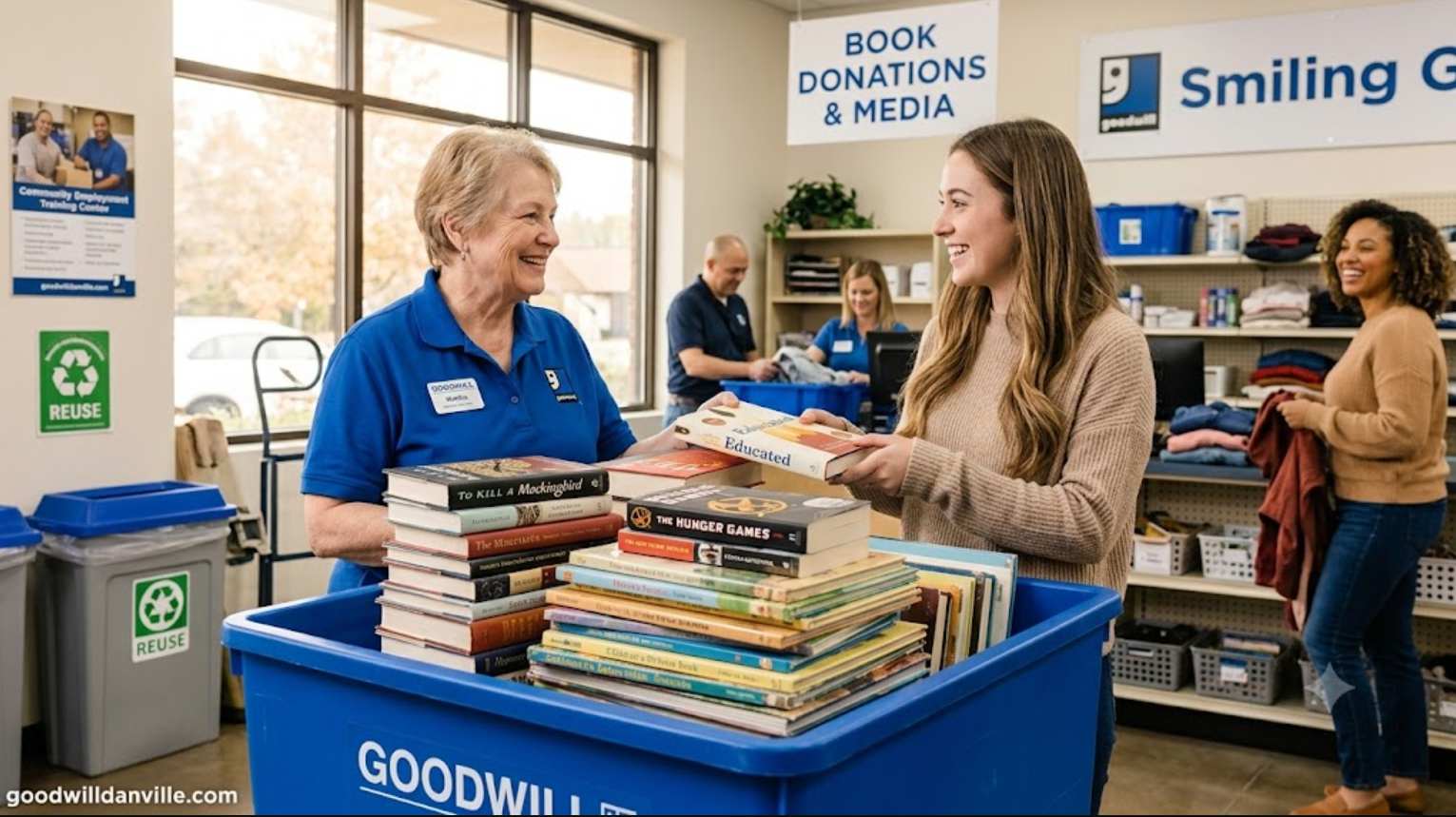
How to Donate to Goodwill and Make a Positive Impact
If you have unused clothes, household items, electronics, or other gently used belongings at home, donating them can be a simple way to help your community. Many people search for how to donate to Goodwill because they want to clear their space while supporting programs that help individuals find jobs, gain skills, and improve their lives.
Goodwill makes the donation process simple. Instead of throwing away items that still have value, you can give them a second life by donating them at a local Goodwill Donation Center. Your unwanted belongings may help another person while also supporting community-based services.
This complete guide explains everything you need to know about donating to Goodwill, including what items are accepted, how to prepare your donations, what to expect at a donation center, and tips for making the process easier.
How to Donate to Goodwill: Step-by-Step Process
Donating to Goodwill usually takes only a few simple steps. Whether you are cleaning your closet, moving homes, or organizing your garage, following the right process ensures your donation experience goes smoothly.
1. Gather Items You Want to Donate
Start by collecting items that are no longer useful to you but are still in good condition. A helpful rule is to donate items that you would feel comfortable giving to a friend or family member.
Before packing your donation, check each item carefully:
- Is it clean?
- Is it working properly?
- Is it safe to use?
- Is it still in a condition someone else can enjoy?
Avoid donating damaged, broken, or unsafe items because donation centers cannot always repair or reuse them.
2. Clean and Organize Your Donations
Preparing your items before donating saves time for both you and Goodwill staff. Wash clothing, wipe down household items, and make sure electronics are free from personal information.
Helpful preparation tips include:
- Wash and fold clothing neatly.
- Pair shoes together.
- Place small items in boxes or bags.
- Remove personal documents from drawers, bags, and containers.
- Check pockets for money, keys, or important belongings.
Organized donations are easier to process and more likely to be reused quickly.
3. Pack Your Items Properly
Once your items are ready, pack them in boxes, bags, or reusable containers. Choose packaging that makes transportation easy.
For example:
- Use sturdy boxes for books and household items.
- Use bags for clothing and accessories.
- Keep fragile items protected with padding.
- Avoid overfilling boxes so they are easy to lift.
Proper packing helps keep donations in good condition during transportation.
Where to Donate to Goodwill
After preparing your items, the next step is finding a convenient donation location.
Most Goodwill organizations operate local donation centers where you can drop off your belongings. The exact items accepted, operating hours, and donation rules may vary depending on your local Goodwill branch.
To find the nearest location:
- Search online for your local Goodwill Donation Center.
- Check the center’s accepted items list.
- Confirm opening hours before visiting.
- Contact the location if you have questions about large or unusual items.
When you arrive, donation attendants can usually guide you through the drop-off process and help unload your items.
What Items Can You Donate to Goodwill?
Goodwill accepts many types of gently used items. However, acceptance policies can vary by location, so checking with your local center is always recommended.
Clothing and Accessories
One of the most common donations includes clothing items such as:
- Shirts and jackets
- Pants and jeans
- Dresses and professional clothing
- Shoes
- Handbags and accessories
Make sure clothing is clean, wearable, and free from major damage.
Household Items
Many household goods can also be donated, including:
- Kitchen items
- Dishes and cookware
- Home decorations
- Small furniture items (depending on location)
- Books and media
Donating household items helps reduce waste while allowing others to purchase affordable goods.
Electronics and Technology
Some Goodwill locations accept working electronics, such as:
- Small appliances
- Computers and accessories
- Flat-screen televisions
- Other approved devices
Before donating electronics, remove personal files and reset devices whenever possible.
Sports and Hobby Equipment
Certain sporting goods may also be accepted, including:
- Bicycles
- Sports equipment
- Outdoor items
However, large exercise machines and oversized equipment may not be accepted at every location.
What Items Should You Not Donate to Goodwill?
While Goodwill accepts many useful items, some products cannot be accepted due to safety, health, or disposal regulations.
Common examples include:
Damaged or Unsafe Items
Avoid donating:
- Broken electronics
- Torn or heavily damaged clothing
- Items missing important parts
- Products that no longer work
Donating unusable items increases disposal costs and creates extra work for organizations.
Hazardous Materials
Goodwill generally does not accept dangerous materials such as:
- Chemicals
- Hazardous waste
- Car batteries
- Certain liquids or fuels
These items require specialized disposal methods.
Certain Large Items
Some locations may not accept:
- Mattresses
- Box springs
- Large furniture
- Oversized exercise equipment
Because policies differ, contact your local Goodwill before bringing large items.
Do You Get a Tax Receipt When Donating to Goodwill?
Many Goodwill donation centers provide a receipt after you drop off your items. This receipt can help document your donation for tax purposes.
If you plan to claim a charitable donation deduction, keep records of:
- The date of your donation
- The items donated
- The receipt provided by Goodwill
- Any additional documentation required by tax rules
For specific tax questions, it is best to consult a qualified tax professional because requirements can vary.
Tips for a Better Goodwill Donation Experience
A little preparation can make donating faster and easier.
Donate During Less Busy Times
Donation centers may be busier during weekends and holidays. Visiting during quieter hours can reduce waiting time.
Label Boxes When Helpful
If you are donating different categories of items, labeling boxes can help you stay organized.
Examples:
- Clothing
- Kitchen items
- Books
- Electronics
Check Local Rules Before Visiting
Every Goodwill location may have slightly different guidelines. Checking ahead prevents bringing items that cannot be accepted.
Why Donate to Goodwill Instead of Throwing Items Away?
Donating gently used belongings provides benefits beyond cleaning your home.
Your donations can:
- Help families access affordable goods
- Support employment and training programs
- Reduce landfill waste
- Encourage recycling and reuse
- Strengthen local communities
Many items that are no longer useful to one person can become valuable resources for someone else.
Frequently Asked Questions About Donating to Goodwill
How do I donate to Goodwill?
To donate to Goodwill, collect clean and usable items, pack them in boxes or bags, and take them to a nearby Goodwill Donation Center. Staff members can assist with unloading and provide a donation receipt when available.
Does Goodwill pick up donations?
Some Goodwill locations offer donation pickup services, especially for larger donations. Availability depends on your local organization, so contact your nearest center for details.
Can I donate electronics to Goodwill?
Many Goodwill locations accept working electronics, including some small devices and flat-screen televisions. Check local guidelines before donating electronics.
Should I wash clothes before donating?
Yes. Clean clothing is easier for Goodwill to process and helps ensure donated items are ready for reuse.
Can I donate furniture to Goodwill?
Furniture acceptance varies by location. Some centers accept certain furniture pieces, while others have restrictions due to space and safety requirements.
Final Thoughts: Make Your Donation Count
Learning how to donate to Goodwill is simple, but the impact of your donation can be significant. By giving away gently used clothing, household goods, electronics, and other useful items, you help support community programs while reducing unnecessary waste.
Before visiting a donation center, remember to clean your items, pack them properly, and check your local Goodwill guidelines. A few minutes of preparation can make your donation experience easier and more meaningful.
Whether you are organizing your home or looking for a way to give back, donating to Goodwill is a practical choice that benefits both people and the planet.