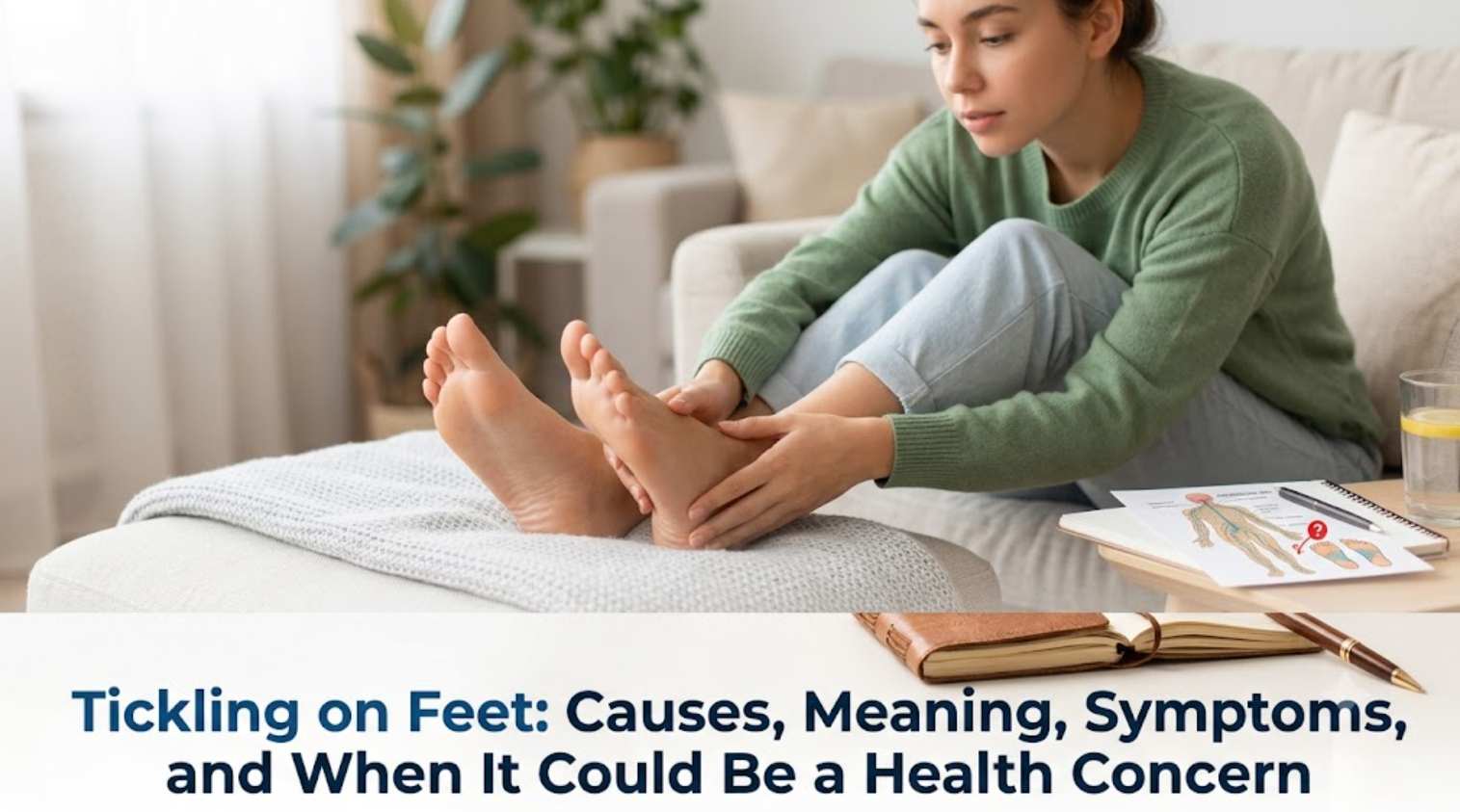
Introduction: Why Does Tickling on Feet Happen?
Have you ever felt an unusual sensation in your feet that feels like a light touch, crawling feeling, or a sudden urge to move your toes? This experience is commonly described as tickling on feet. For some people, it is simply a funny and harmless reaction to touch, while for others, it may feel like an unusual sensation that appears without any obvious reason.
The feet are among the most sensitive areas of the human body because they contain thousands of nerve endings responsible for detecting touch, pressure, temperature, and movement. These nerves help us maintain balance and understand our surroundings, but they can also create strong reactions when stimulated.
In most cases, ticklish feet are a normal part of how the nervous system responds to touch. However, if the sensation appears frequently, lasts for a long time, or occurs along with symptoms like numbness, burning, or tingling, it may be linked to changes in nerve function.
Understanding the causes behind tickling on feet can help you recognize whether it is simply a natural body response or something that requires medical attention.
What Causes Tickling on Feet?
The sensation of tickling is created through a complex interaction between the skin, nerves, and brain. When something touches your feet, sensory receptors in the skin send signals through the nervous system to the brain.
The brain then interprets these signals as a tickling, tingling, or sensitive feeling.
Several factors can influence why some people experience stronger tickling sensations in their feet.
1. Sensitive Nerve Endings in the Feet
The soles of the feet are highly sensitive because they contain many nerve endings that help detect changes in the environment. These nerve receptors are located close to the surface of the skin, making the feet more responsive to light touches.
Areas that are often more sensitive include:
- The bottom of the feet
- The spaces between toes
- The arches of the feet
- The sides of the feet
Because of this high sensitivity, even a gentle touch can create a strong tickling reaction in some individuals.
2. The Brain’s Reaction to Unexpected Touch
Tickling is not only about the skin; it is also about how the brain processes information.
When someone else touches your feet unexpectedly, your brain cannot completely predict the sensation. This uncertainty can make the tickling response stronger.
Interestingly, people usually cannot tickle themselves effectively because the brain already knows what movement is coming. Since the sensation is predictable, the brain reduces the response.
This shows that tickling is a combination of physical sensation and brain activity.
3. Personal Sensitivity and Genetics
Not everyone experiences ticklish feet in the same way. Some people may laugh immediately when their feet are touched, while others may barely feel anything.
Individual sensitivity can depend on:
- Genetics
- Nerve sensitivity
- Skin condition
- Personal experiences
- Emotional state
Having very ticklish feet is usually just a natural difference between people and does not automatically indicate a health problem.
Is Tickling on Feet Related to Diabetes?
A common question many people ask is: “Can tickling on feet be a sign of diabetes?”
The answer is that ticklish feet alone do not mean a person has diabetes. However, certain unusual sensations in the feet can sometimes be connected to diabetes-related nerve problems.
Diabetes is a condition where blood sugar levels remain higher than normal. Over time, high blood sugar can damage nerves throughout the body, especially those in the feet and legs. This condition is called diabetic neuropathy.
Diabetic neuropathy may cause sensations such as:
- Tingling
- Burning feelings
- Numbness
- Pins-and-needles sensations
- Increased sensitivity
- Unusual feelings in the feet
Some people may describe these sensations as a tickling or crawling feeling.
The important difference is that normal ticklishness usually happens when the feet are touched, while nerve-related sensations may appear even when there is no physical contact.
How to Tell If Tickling Feet Are Normal or a Possible Health Issue
Understanding your symptoms can help you decide whether your experience is simply normal sensitivity or something that needs professional evaluation.
Normal Tickling on Feet Usually:
- Happens only when the feet are touched
- Goes away quickly
- Does not cause pain
- Does not interfere with daily activities
- Has been present for many years
Many people simply have naturally sensitive feet.
Tickling Sensations That May Need Attention
You may want to consult a healthcare professional if the sensation:
1. Appears Without Touch
If you frequently feel tickling, tingling, or crawling sensations even when nothing is touching your feet, it may suggest nerve-related changes.
2. Comes With Numbness or Burning
Tickling combined with other symptoms may require further evaluation, especially:
- Loss of feeling
- Burning pain
- Sharp sensations
- Weakness in the feet
3. Suddenly Becomes More Intense
A sudden increase in foot sensitivity may indicate a change in nerve function or circulation.
4. You Have Diabetes Risk Factors
People with certain risk factors should pay closer attention to unusual foot sensations.
Common diabetes risk factors include:
- Family history of diabetes
- Excess body weight
- Lack of physical activity
- Poor eating habits
- High blood pressure
Other Possible Reasons for Tickling Sensations in Feet
Although diabetes is one possible cause of unusual foot sensations, it is not the only explanation.
Other factors may include:
Nerve Irritation
When nerves become compressed or irritated, they may send abnormal signals that feel like:
- Tickling
- Tingling
- Electric sensations
- Crawling feelings
Vitamin Deficiencies
Certain vitamin deficiencies, especially those affecting nerve health, may contribute to unusual sensations in the feet.
Circulation Problems
Reduced blood flow can sometimes affect how the feet feel and may create discomfort or sensitivity.
Stress and Anxiety
Stress can influence the nervous system and increase awareness of normal body sensations. Some people notice tingling or unusual feelings more during periods of anxiety or emotional stress.
How to Maintain Healthy Feet and Protect Nerve Function
Taking care of your feet is important, especially if you experience unusual sensations or have conditions such as diabetes.
1. Check Your Feet Regularly
Inspect your feet for:
- Cuts
- Blisters
- Swelling
- Skin changes
- Injuries
This is especially important for people who have reduced sensation.
2. Practice Good Foot Hygiene
Healthy foot habits include:
- Washing feet regularly
- Keeping them dry
- Moisturizing dry skin
- Avoiding walking barefoot in unsafe areas
3. Wear Comfortable Shoes
Proper footwear can protect your feet from pressure and injury.
Choose shoes that:
- Fit correctly
- Provide support
- Have enough room for your toes
4. Maintain Healthy Blood Sugar Levels
For people with diabetes, managing blood sugar is essential for protecting nerve health.
Helpful habits include:
- Eating a balanced diet
- Exercising regularly
- Following medical advice
- Taking prescribed medications
When Should You See a Doctor?
Occasional tickling on feet is usually harmless. However, medical advice may be helpful if you experience:
- Persistent tickling sensations
- Numbness or loss of feeling
- Burning pain
- Weakness in the feet or legs
- Balance problems
- Changes in walking ability
- Diabetes or a high risk of diabetes
A healthcare professional can evaluate your symptoms and determine whether further testing is needed.
Final Thoughts: Understanding Tickling on Feet
Tickling on feet is a fascinating example of how the nervous system communicates with the brain. For many people, it is simply a normal response caused by sensitive nerve endings and unexpected touch.
However, unusual or persistent sensations should not be ignored, especially when they occur with other symptoms like numbness, burning, or tingling. These signs may indicate changes in nerve health that require attention.
By practicing proper foot care, maintaining a healthy lifestyle, and paying attention to changes in your body, you can support better foot health and overall well-being.
A ticklish feeling may be harmless, but understanding what your body is telling you is always an important step toward staying healthy.