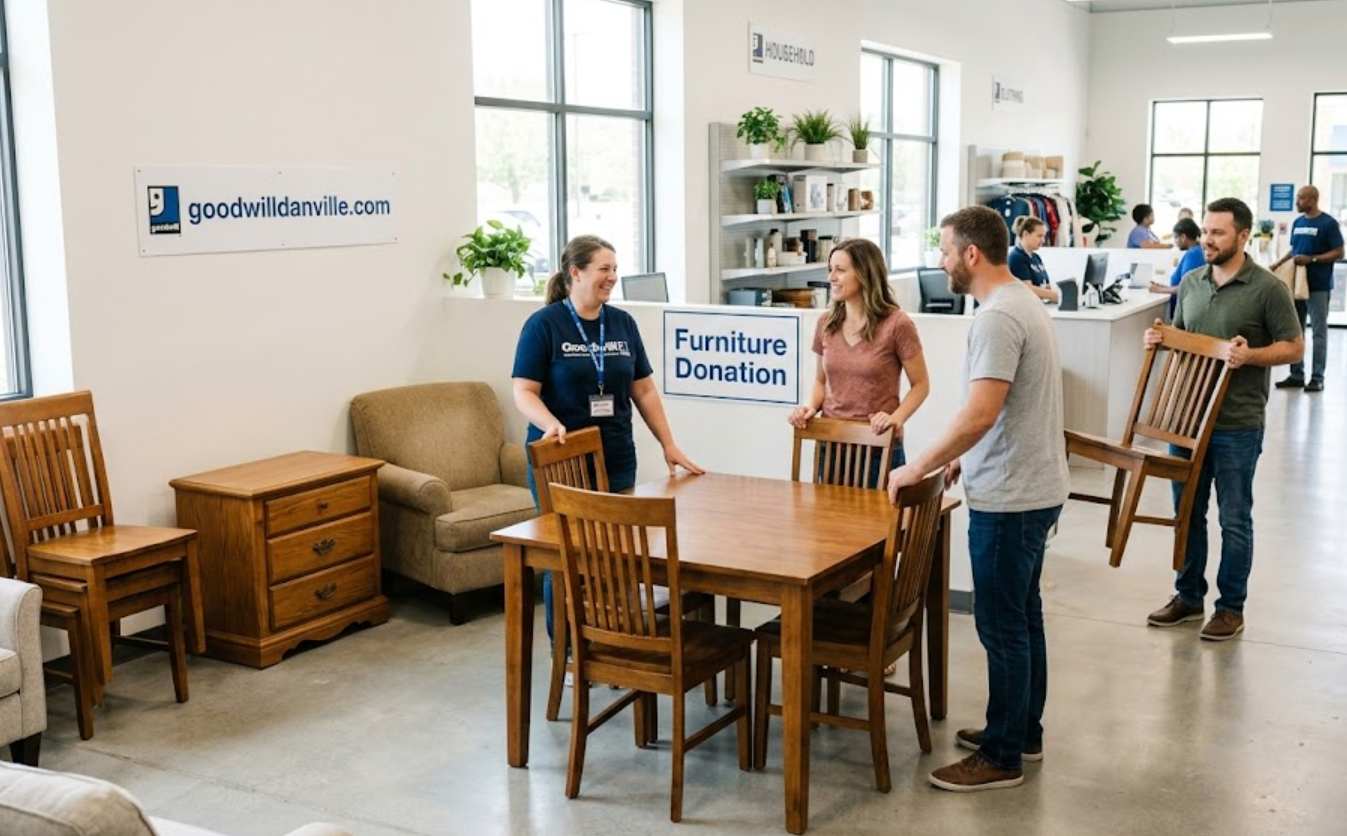
When you are cleaning your home, moving to a new place, or simply replacing old items, donating furniture can be a great way to help others while reducing waste. One common question many people ask is: does Goodwill take furniture? The answer is yes, many Goodwill locations accept furniture donations, but the rules can vary depending on your local Goodwill organization.
Goodwill is known for accepting gently used household items and selling donated goods to support community programs, job training, and employment services. However, not every type of furniture qualifies for donation. Each Goodwill branch has its own guidelines based on storage space, local demand, safety standards, and transportation options.
Before loading heavy furniture into your vehicle, it is important to understand what Goodwill accepts, what items they refuse, and how to prepare your furniture for donation. This guide explains everything you need to know about donating furniture to Goodwill.
Does Goodwill Take Furniture Donations?
Yes, Goodwill does take furniture in many locations, but acceptance policies differ from one region to another. Some Goodwill stores have large donation centers and enough floor space to handle furniture, while others may only accept smaller household items.
Generally, Goodwill prefers furniture that is:
- Clean and ready for immediate use
- Safe and structurally stable
- Free from major damage
- In good condition without strong odors
- Suitable for resale in a thrift store environment
Because Goodwill organizations operate independently by region, one location may accept certain furniture items while another may not. Checking with your nearest Goodwill before donating is the best way to avoid unnecessary trips.
What Types of Furniture Does Goodwill Usually Accept?
Goodwill commonly accepts furniture pieces that are practical, clean, and easy to resell. Although rules vary locally, many locations accept items such as:
Chairs and Small Seating Furniture
Goodwill often accepts:
- Dining chairs
- Office chairs
- Accent chairs
- Wooden chairs
- Small benches
The furniture should not have broken legs, damaged frames, stains, or excessive wear.
Tables and Desks
Many Goodwill locations accept:
- Coffee tables
- End tables
- Nightstands
- Small dining tables
- Desks
These items should be stable, clean, and free from significant scratches or structural problems.
Dressers and Storage Furniture
Small storage furniture may also be accepted, including:
- Dressers
- Cabinets
- Bookshelves
- Storage units
Large wardrobes or oversized furniture may not be accepted because some stores have limited space.
What Furniture Items Does Goodwill Not Accept?
While Goodwill accepts many household donations, some furniture items are commonly rejected because of safety concerns, hygiene issues, or limited resale value.
Mattresses and Box Springs
Most Goodwill locations do not accept:
- Used mattresses
- Box springs
- Bed pillows
These items are difficult to sanitize and often cannot be safely resold.
Damaged or Unsafe Furniture
Goodwill usually refuses furniture with:
- Broken frames
- Missing parts
- Deep stains
- Tears in fabric
- Strong smells
- Water damage
- Excessive pet hair
Furniture donations should be in a condition that another person can realistically use.
Baby Furniture and Safety-Related Items
Many Goodwill branches do not accept certain baby-related furniture, including:
- Cribs
- Used car seats
- Some baby equipment
Safety regulations and product recalls make these items difficult for resale.
Large or Heavy Furniture
Some locations may decline:
- Large sectional sofas
- Oversized entertainment centers
- Heavy bedroom sets
Even if the furniture is in good condition, a store may not have enough space to display or store it.
How to Prepare Furniture Before Donating to Goodwill
Preparing your furniture properly increases the chance that Goodwill will accept it and helps create a better experience for future buyers.
Clean the Furniture Thoroughly
Before donating:
- Remove dust and dirt
- Vacuum fabric surfaces
- Wipe down wooden or metal areas
- Remove stains if possible
A clean item is more likely to be accepted and resold.
Check for Damage
Inspect your furniture carefully. Make sure:
- Drawers open properly
- Legs are secure
- Hardware is complete
- No major repairs are needed
Goodwill generally accepts usable furniture, not items that require significant restoration.
Disassemble Large Furniture When Possible
If your furniture can be safely taken apart, consider disassembling it before transportation. This makes handling easier and reduces the risk of damage.
Keep screws, bolts, and small parts together in a labeled bag.
Does Goodwill Pick Up Furniture Donations?
Many people wonder whether Goodwill offers furniture pickup services. The answer depends on your local Goodwill organization.
Some Goodwill branches provide pickup services for large donations, while others require donors to bring items directly to a donation center.
If you have large furniture such as:
- Sofas
- Dining sets
- Cabinets
- Bedroom furniture
contact your local Goodwill to ask about available pickup options.
Keep in mind that pickup availability may depend on:
- Your location
- Donation size
- Staff availability
- Transportation resources
How to Check If Your Local Goodwill Accepts Furniture
Since Goodwill policies vary by location, always confirm before donating.
You can:
- Visit the official Goodwill website and use the location finder.
- Contact your nearest Goodwill store or donation center.
- Ask specifically whether they accept your type of furniture.
- Confirm whether pickup service is available.
Calling ahead can save time and prevent bringing items that the store cannot accept.
Why Donate Furniture to Goodwill?
Donating furniture to Goodwill offers several benefits beyond simply removing unwanted items from your home.
Support Community Programs
Goodwill uses revenue from donated goods to support programs such as:
- Job training
- Employment assistance
- Career development services
- Community support programs
Your furniture donation can help fund services that benefit people in your community.
Reduce Waste
Instead of sending usable furniture to a landfill, donating allows someone else to reuse it. Furniture recycling and reuse help reduce unnecessary waste.
Help Families Find Affordable Items
Many people rely on thrift stores to purchase affordable household goods. Donated furniture gives shoppers access to useful items at lower prices.
Alternatives If Goodwill Does Not Accept Your Furniture
If your local Goodwill cannot take your furniture, there are other options available.
Donate to Other Charities
Some organizations accept furniture donations for families, shelters, or community programs.
Sell or Give Away Furniture
You can also consider:
- Local online marketplaces
- Community giveaway groups
- Neighborhood networks
Someone nearby may need exactly what you no longer use.
Recycle Damaged Furniture
Furniture that is broken beyond repair may need proper recycling or disposal instead of donation.
Frequently Asked Questions About Goodwill Furniture Donations
Does Goodwill take couches?
Some Goodwill locations accept couches and sofas if they are clean, safe, and in good condition. However, many branches have restrictions because sofas require significant storage space.
Does Goodwill take old furniture?
Goodwill may accept old furniture if it remains usable and meets local donation guidelines. Age alone does not always determine whether an item is accepted.
Does Goodwill take wooden furniture?
Yes, many Goodwill stores accept wooden furniture such as tables, chairs, dressers, and shelves if they are clean and functional.
Can I donate furniture with minor scratches?
Minor cosmetic issues may be acceptable, but furniture with major damage, stains, or safety problems is usually rejected.
Should I call Goodwill before donating furniture?
Yes. Because acceptance rules vary by location, contacting your local Goodwill first is the best way to confirm whether your furniture qualifies.
Final Thoughts: Does Goodwill Take Furniture?
So, does Goodwill take furniture? In many cases, yes—but acceptance depends on your local Goodwill store’s policies, available space, and the condition of your furniture. Clean, safe, and gently used furniture has the best chance of being accepted.
Before donating, inspect your furniture, clean it properly, and contact your nearby Goodwill location to confirm their requirements. By donating responsibly, you can give your unwanted furniture a second life while supporting valuable community programs.
A little preparation can make the donation process easier and ensure your furniture benefits someone who needs it.